
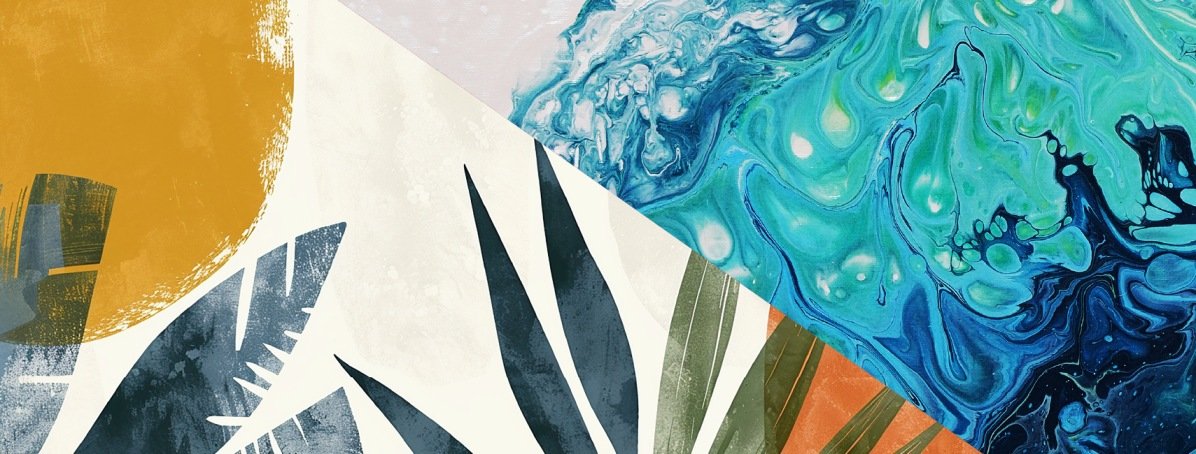
Art settles into a home the way sunlight settles into a room. It does not rush. It arrives slowly, taking its place on a wall or in a corner, becoming part of the space over time. Some works stand tall and striking, claiming attention from the moment you enter. Others wait to be discovered, noticed only when you pause long enough to see the detail in a brushstroke or the precision of a print.
In Indian homes, art lives with us in everyday ways. It stretches its colours and tones into the rest of the space. It might share the warmth of a busy kitchen in the morning, hang over a bed during an afternoon rest, or watch over the living room while the family talks and laughs. The choice between Digital vs. Traditional Art is really a choice about atmosphere, about what you want your rooms to say when they are most themselves.
Traditional Art With Presence & Patina
Traditional art is made by hand, using tools and techniques passed down through generations. A brushstroke in oil leaves a ridge you can almost follow with your fingertip. Watercolour seeps into paper in soft clouds. The lines of ink drawings breathe with the artist’s own rhythm and mood.
In a modest dining space, a hand-painted still life can make the table feel more inviting. In a small bedroom, a gentle watercolour landscape can soothe the space. In living rooms, intricate folk paintings or textured canvases can anchor the room, becoming a prominent counterpoint to the television or bookshelf.
Traditional art shifts with the day. A painting of a woman carrying a basket of lotuses may feel revitalising in the morning when sunlight makes its fine details come alive. As evening falls and shadows deepen, she may seem more peaceful, as if satisfied with the day’s work and ready to return home.

Fluid art can create a similar transformation. A deep green piece (Buy the Digital Print of this Artwork Now: Under Cool Foliage) might resemble lush foliage during the day, where birds seem to gather and sing. As night arrives, the same greens may deepen into shades that evoke a forest drifting into a peaceful slumber.
Digital Art With Adaptability & Range
Digital art begins on a screen but can live anywhere you place it. Artists can adjust colour, composition and size to exact preferences. Once finished, a work can be printed on canvas for softness, on acrylic for gloss, on metal for drama, or on fine art paper for subtlety.
In a hallway, a crisp digital floral print can lift the space without crowding it. In an open living area, a large-scale digital abstract can bring energy that suits gatherings. In children’s rooms, digital illustrations can be playful, bright, and filled with shapes and curiosities that inspire them, easily swapped as interests change.
For those who enjoy variety, digital works can move with the seasons. A festive month can bring a bold, detailed piece, while warmer months might call for cooler tones. They are easy to frame, light to hang, and practical for walls that change often.
How Art Sits In Different Indian Homes
Indian homes are as varied as the people who live in them. Some have patterned tiles underfoot, carved wooden cabinets, and an earthy aesthetic built over decades. Others favour plain floors, airy curtains, and simple furniture. Many carry a mix such as a bright rug from a local market, a steel cupboard inherited from an aunt, and a new sofa in a neutral shade.
In homes full of colour and craft, a traditional painting can echo the richness already present. A digital piece in such a setting might add a note of contrast through clean lines or unexpected tones. In calmer rooms, a traditional canvas can bring warmth, while a digital work can extend the sense of openness.
Light also plays a role. Traditional paintings often absorb and soften it, creating a restful mood. Digital prints can reflect and brighten a room, especially where sunlight is generous or lighting is deliberate.
Setting The Atmosphere
Art shapes how a home feels without moving a single piece of furniture. A painting above the sofa can make a living room feel ready for long conversations. A small framed print in a kitchen can bring charm to the most ordinary mornings. Bedrooms can take on a sense of calm with soft, muted works, while corridors can gain energy from bold, graphic designs.
During seasonal celebrations, art can help capture the spirit of the moment. A traditional work might carry colours and forms that feel timeless, while a digital piece could be changed to match the season’s mood. Even one thoughtful addition can shift the atmosphere of an entire room.
Choosing For Your Own Space
Some rooms call for the permanence of hand-painted art, holding the memory of its making. Others suit the flexibility of digital works that can change as often as you wish. Many homes keep both, a traditional piece where family gathers and digital prints in spaces that evolve.
When deciding on digital vs. traditional, think about the hours you spend in the room, the way the light moves through it, and the tone you want to set. Over time, the art you choose will feel less like an addition and more like part of the home’s novel story.
About Lachman Ludhani
Lachman Ludhani, chairman and director of the Evershine Group, has spent decades building a successful career in real estate. In his late seventies, he has embraced a new passion in Fluid Art as a tribute to his late wife, Mira. His paintings capture emotion through flowing colours, each shade carrying meaning and intention. Every canvas offers a glimpse into his creative spirit and his way of preserving moments in art.
Explore our range of fluid paintings and find the piece that belongs in your home!